Short answer:
• Flickering lights, warm outlets, burning smells, and repeated breaker trips are the clearest signals that home wiring needs a professional look.
• Homes older than 30-40 years or with two-prong outlets face higher risk from outdated or ungrounded wiring.
• An electrical contractor can trace the root cause behind walls that a visual check alone cannot reveal.
Electrical problems rarely announce themselves clearly. A flickering bulb or a breaker that trips twice a week can look like a minor nuisance, but these symptoms often point to wiring issues developing out of sight. Homeowners in Bartlett, IL dealing with older housing stock or recent remodeling work have particular reason to pay attention, since hidden wiring faults tend to worsen gradually rather than fail all at once. If you’re noticing these warning signs, https://amlelectric.com/ can connect you with licensed electricians who offer free estimates and 24/7 emergency service across the Bartlett area.
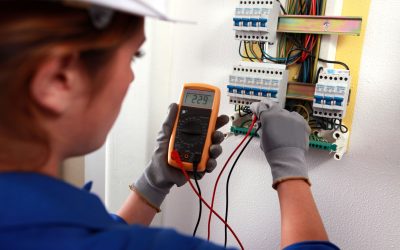
Recognizing the early indicators matters because wiring problems are rarely visible from the surface. A licensed electrical contractor can test circuits, check panel load, and trace faults that a homeowner cannot safely access, which is why professional inspection remains the only reliable way to confirm what is happening inside the walls.
Common Signs Pointing to a Wiring Problem
Several symptoms show up consistently across fire safety research and electrician field reports. None of these should be ignored or treated as routine:
• Lights that flicker or dim in multiple rooms, especially when an appliance like an air conditioner or microwave turns on
• Breakers that trip repeatedly , which often means a circuit is carrying more load than it was designed for
• Outlets or switches that feel warm to the touch, a sign of loose connections or deteriorating wiring behind the wall
• A persistent burning smell with no obvious source, which can indicate overheating insulation
• Two-prong outlets instead of three-prong, indicating the circuit lacks a ground wire
According to the National Fire Protection Association’s home structure fire data, home electrical distribution and lighting equipment caused an estimated tens of thousands of home fires annually, with wiring and related equipment accounting for a disproportionate share of fire deaths relative to the number of incidents. This gap between frequency and severity is part of why early inspection matters more than waiting for a visible failure.
Why Older Homes Carry Higher Risk
Age is one of the strongest predictors of wiring trouble. Homes built before the 1970s may still have aluminum branch wiring or knob-and-tube systems that were never designed for the electrical load of modern households.
| Wiring Era | Common Risk | Typical Fix |
| Pre-1950s (knob-and-tube) | No grounding, brittle insulation | Full rewire |
| 1965-1973 (aluminum branch) | Loose connections, overheating at terminals | Connector retrofit or rewire |
| 1970s-1990s (older copper) | Circuits undersized for current appliance loads | Panel upgrade, added circuits |
| Post-2000 (modern copper) | Usually code-compliant, lower risk | Routine inspection only |
Homes in this older category benefit from a baseline inspection even without obvious symptoms, since many wiring faults stay hidden until a connection finally fails.
What an Inspection Actually Involves
A wiring inspection is more than a visual walkthrough. A qualified electrician typically checks:
1. Panel capacity and breaker condition to confirm the system can handle current household demand
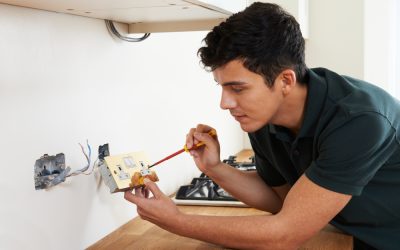
2. Outlet and switch wiring for loose connections, reversed polarity, or missing grounds
3. Visible wiring runs in attics, basements, and crawl spaces for fraying, rodent damage, or improper splices
4. GFCI and AFCI protection in kitchens, bathrooms, and bedrooms where modern code requires it
Addressing problems found during inspection usually costs far less than repairing fire or water damage after a failure. Scheduling an inspection after a home purchase, before a major renovation, or after noticing any of the warning signs above is a reasonable precaution rather than an overreaction.
Frequently Asked Questions
How often should home wiring be inspected? Most electricians recommend an inspection every few years for newer homes, and sooner for homes over 30 years old or those showing any warning signs.
Can I check for wiring problems myself? Homeowners can watch for warm outlets, flickering lights, or burning smells, but tracing the actual cause inside walls or panels requires testing equipment and training that only a licensed electrician has.
Is flickering in just one room always serious? Not always. A single flickering fixture may be a loose bulb, but flickering across several rooms or tied to appliance use points to a circuit-level issue worth having checked.
Does homeowners insurance cover wiring repairs? Coverage varies by policy and cause of damage, so it is worth confirming details directly with an insurance provider rather than assuming wiring repairs are included.
Wiring issues in Bartlett, IL homes tend to develop quietly, which is why catching the early signs matters more than reacting after a failure. Information on inspection services and service areas can be found by looking at View AML Electric on Google Maps.