Living in Boulder, Colorado, means enjoying beautiful mountain views and a vibrant community, but it also brings the challenge of unpredictable weather. Hailstorms are a frequent concern, often leaving homeowners worried about the condition of their roofs. If you’ve recently searched for Hail Damage Roof Replacement Boulder CO, you’re likely looking for clear answers on how to recognize hail damage, understand your repair options, and protect your investment.
Recognizing Hail Damage on Your Roof
Hail damage can be subtle or severe, depending on the storm’s intensity and the age of your roofing materials. Common signs of hail damage include:
- Dented or bruised shingles: Look for areas where the granules are missing or the surface feels soft to the touch.
- Cracks or splits: Hailstones can crack shingles, especially on older roofs.
- Exposed roof felt or underlayment: Severe impacts may puncture shingles entirely.
- Damaged flashing or vents: Metal components on your roof may show visible dents or dings.
It’s important to inspect your roof after a hailstorm, but always prioritize safety—consider hiring a professional for a thorough evaluation.
Why Timely Action Matters
Delaying repairs after hail damage can lead to more serious problems, such as water leaks, mold growth, and structural deterioration. Insurance policies often require prompt reporting of storm damage, so acting quickly not only prevents further roof issues but also ensures you remain eligible for coverage.
The Roof Replacement Process in Boulder, CO
Understanding the replacement process can help homeowners feel more confident when navigating repairs. Here’s what you can typically expect:
1. Inspection and Documentation: A qualified roofing contractor will assess the extent of hail damage and document it with photos and a written report.
2. Insurance Claim Filing: Most homeowners’ policies cover hail damage. Your contractor can assist with the claims process, providing the necessary documentation.
3. Material Selection: Choose from durable roofing materials that are rated for hail resistance, such as impact-resistant asphalt shingles or metal roofing.
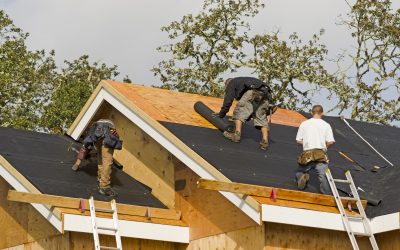
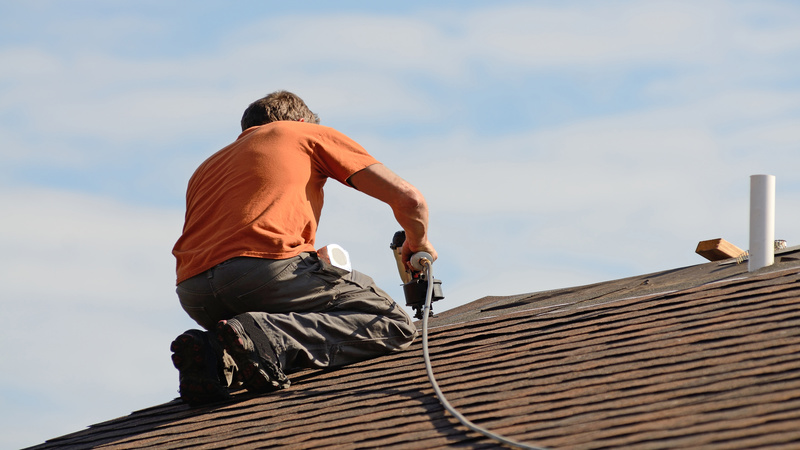
4. Roof Replacement: The old roofing materials are removed, and any underlying damage is repaired before new materials are installed.
5. Final Inspection: A final walkthrough ensures the work meets local building codes and your satisfaction.
Selecting the Right Roofing Solution
Boulder’s climate demands roofing solutions that can withstand hail, wind, and heavy snow. When replacing your roof, consider these factors:
- Impact resistance: Look for materials with a Class 4 impact rating for maximum hail protection.
- Warranty coverage: Opt for products and workmanship warranties for added peace of mind.
- Local building codes: Ensure your new roof complies with Boulder’s regulations and standards.
Protecting Your Home Investment
A new roof after hail damage is a significant investment, but it’s one that protects your home’s value and your family’s safety. Regular maintenance, timely inspections after storms, and choosing high-quality materials all contribute to long-term roof performance.
Staying informed about hail damage and the roof replacement process empowers Boulder homeowners to make smart decisions. By recognizing damage early, acting quickly, and selecting durable roofing solutions, you can safeguard your property against Colorado’s unpredictable weather for years to come.