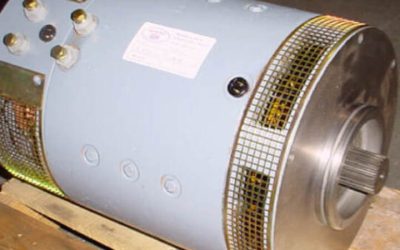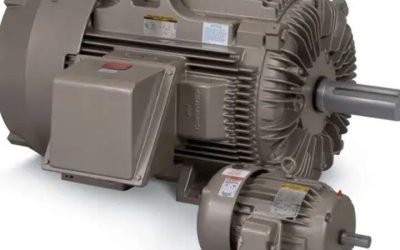
In the 21st Century, computers, microprocessors, and sophisticated control circuits are everywhere. Many manufacturing and shipping methods are fully automated, and order picking takes place with lights and smart equipment. However, the DC motor remains unchanged as far as its basic operation. In fact, electric motors still turn the wheels of industry, and direct current motors play an important role in the process. Here is information on how these motors work.
Energy Conversion
An electric DC motor runs on direct current. For example, electricity flows from the negative terminal to the positive terminal in a steady stream. This is different from alternating current which changes polarity rapidly in a pulse-like manner. The basic principle behind electric motors is to change electrical energy to mechanical power.
The Power of Magnetism
A standard DC motor uses magnetic energy to turn the shaft and create power. For example, if you take two magnets and place the opposite polls together, they attract each other. Put like poles together, and they repel each other. If one of the like poles is on a shaft, it turns due to the force of magnetic repulsion. Even though this is oversimplified, it gives you a basic idea of how electric motors work.
The Power of Coiled Wire
If you take a coil of wire and pass electric current through it, you create an electromagnetic field. It can attract a metal rod attached to a spring. When the current flows the rod makes contact and when the current stops, the rod returns to its original position. This is how solenoids work, and they use the same basic principle as electric motors except they do not rely on spinning action. Today direct current motors are good for speed control and high torque applications. They perform important jobs in many industries.