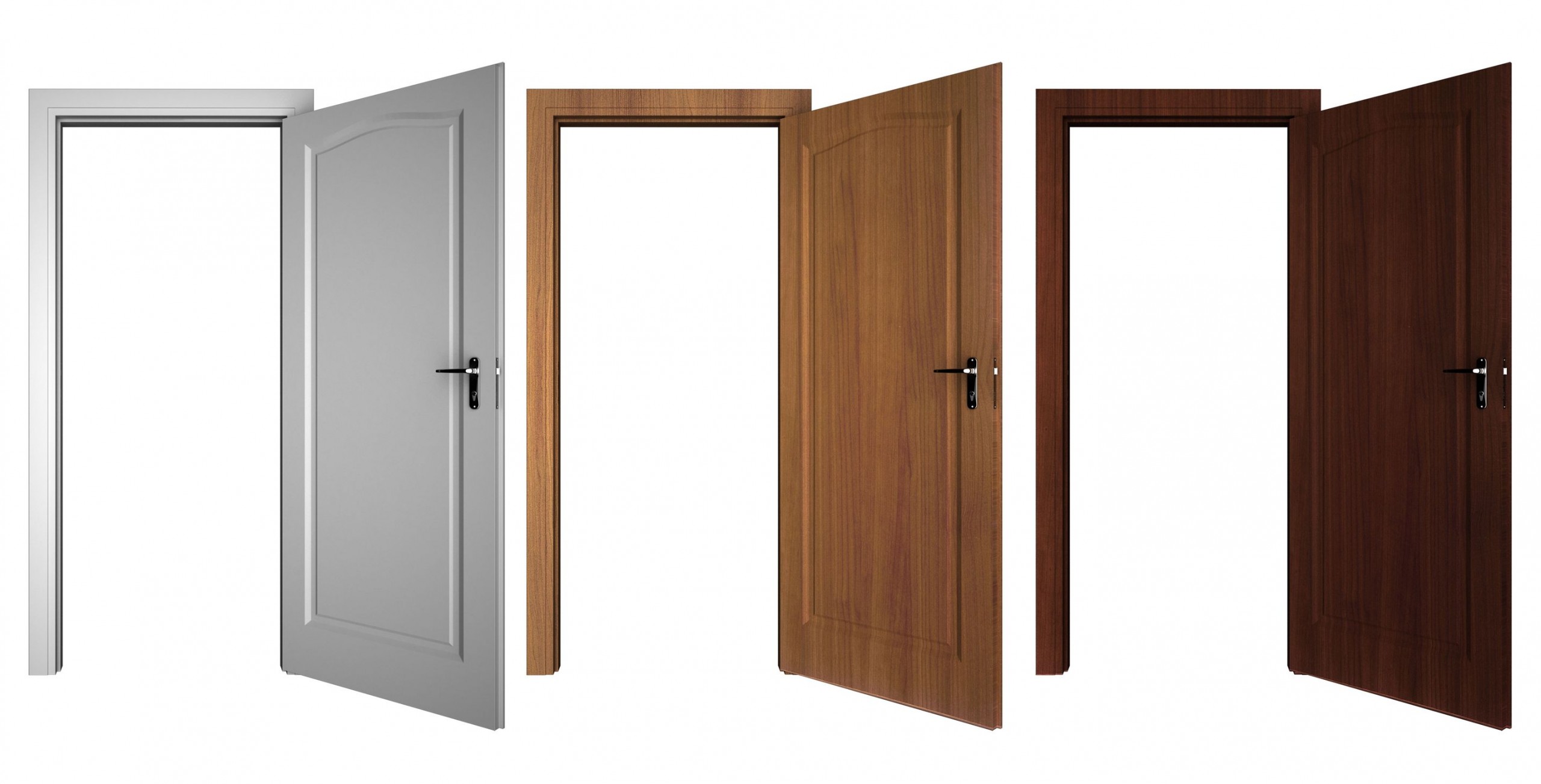
Your front door is more than just a point of entry—it’s a defining feature of your home’s exterior, influencing curb appeal, security, energy efficiency, and even resale value. As homeowners explore materials and styles for their front entry doors, one option that often enters the conversation is fiberglass. Known for its affordability and durability, fiberglass front entry doors are frequently compared to wood, steel, and other custom alternatives.
So, how do fiberglass doors stack up? Are they the best choice for your home, or are there better options for long-term value and design? In this article, we’ll compare fiberglass to traditional front entry doors and provide guidance on selecting the best entry doors for homes based on your style, climate, and performance needs.
What Are Fiberglass Front Entry Doors?
Fiberglass front entry doors are manufactured from molded fiberglass reinforced with resin and a foam core for insulation. Designed to mimic the appearance of real wood or smooth painted surfaces, these doors are often chosen for their lower maintenance and resistance to the elements.
They’ve become a popular mid-range option in residential construction and remodeling, but they come with trade-offs that may affect their suitability depending on your goals.
Pros of Fiberglass Front Entry Doors
Durability
Fiberglass is highly resistant to warping, cracking, and rotting—common issues that affect real wood doors in extreme weather conditions. If you live in an area with high humidity, heavy rainfall, or harsh winters, this resilience can be an asset.
Energy Efficiency
The foam core inside fiberglass doors provides excellent insulation, which helps regulate indoor temperatures and reduce energy bills. When combined with energy-efficient glass inserts, fiberglass doors can meet ENERGY STAR® standards.
Low Maintenance
Unlike wood, fiberglass doesn’t need regular refinishing. A simple wash with mild soap and water is often enough to keep it looking clean and new for years.
Affordability
Fiberglass doors are generally more affordable than solid wood doors, making them attractive for budget-conscious homeowners looking to upgrade their exterior.
Cons of Fiberglass Front Entry Doors
While fiberglass has its advantages, it’s not without limitations—especially when compared to custom materials like handcrafted wood.
Limited Design Flexibility
Although fiberglass doors can be textured to look like wood, they don’t offer the same depth, grain variation, or custom detailing as real handcrafted wood. The faux-wood finish often appears flat or repetitive on close inspection.
Repair Limitations
While durable, fiberglass can crack under extreme impact. Unfortunately, it’s more difficult to repair than wood, and damage may require full panel replacement rather than simple refinishing.
Color Fading Over Time
UV exposure can cause fading in fiberglass finishes, especially for darker colors. Over time, the door may need to be repainted or re-stained to maintain its original appearance.
Less Prestigious for High-End Homes
In upscale properties, fiberglass doors can sometimes feel out of place when compared to premium materials. For homeowners seeking a bespoke, architecturally integrated design, custom wood options may offer greater value and curb appeal.
How Do Fiberglass Doors Compare to Custom Wood Doors?
If you’re aiming to make a bold architectural statement or want your entry to reflect timeless craftsmanship, wood remains the superior choice. Custom wood front doors offer:
• Unmatched Beauty: Every piece of wood is unique, offering rich color, depth, and grain that fiberglass can’t replicate.
• Endless Customization: From arched tops and carvings to specialty finishes and exotic woods, the possibilities are nearly limitless.
• Artisan Craftsmanship: Hand-built wood doors reflect heritage, authenticity, and attention to detail that mass-produced fiberglass doors lack.
• Longevity with Care: When properly maintained, wood doors can last generations, developing a rich patina over time.
Homeowners willing to invest in long-term value, aesthetic excellence, and historical authenticity often choose custom wood from a trusted supplier like Anasazi Architectural Door, known for its handcrafted, high-end entry doors.
Choosing the Right Entry Door for Your Home
Your ideal front entry door depends on several factors:
• Climate: Fiberglass performs well in extreme climates, while wood benefits from proper sealing and maintenance in varying conditions.
• Home Style: Traditional, historic, or luxury homes often benefit from the natural beauty and character of wood.
• Budget: Fiberglass offers cost savings upfront, but custom wood can offer a higher return on investment and aesthetic impact over time.
• Customization Needs: If you’re looking for a specific size, shape, or artistic detail, wood is likely the better option.
Whether you’re leaning toward the functionality of fiberglass or the elegance of custom wood, your entry door should align with your home’s needs and your personal design preferences.
Final Thoughts
While fiberglass front entry doors offer an affordable, low-maintenance option for many homes, they may not provide the timeless design, character, or customization that discerning homeowners seek. For those looking to make a lasting impression, custom wood doors still lead the way in beauty, craftsmanship, and architectural significance.
If you’re seeking expert guidance, premium materials, and tailored design, consider working with a trusted supplier like Anasazi Architectural Door. Their team specializes in handcrafted doors that blend durability with elevated design, ensuring your home’s entrance is as functional as it is unforgettable.