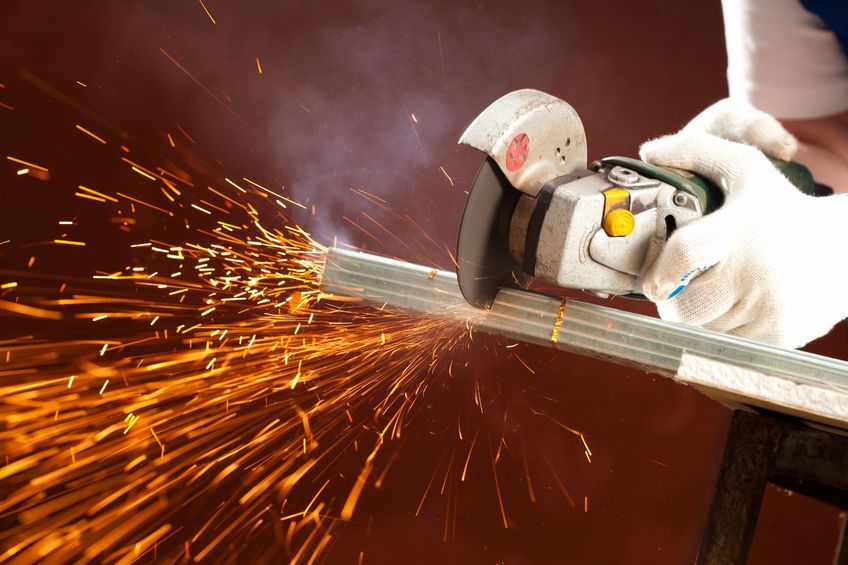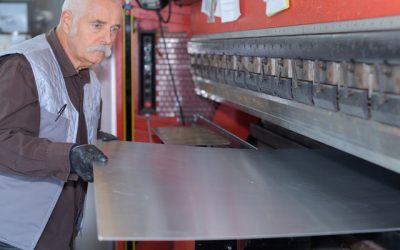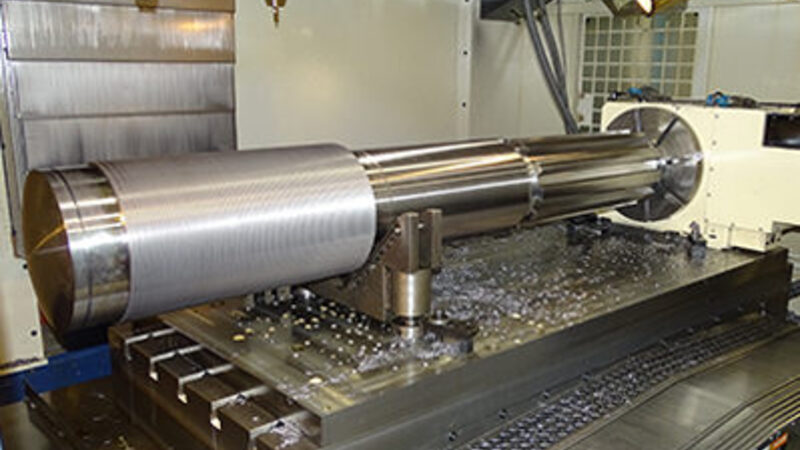
Custom fabrication is all about working with customers to help them design and complete a project. The choice of metals may vary, but a common one is steel. If a manufacturer requests a custom steel fabrication, the topic of initial concern is not simply steel. The focus is on understanding what type may best serve the purpose.
Steel: Types
Steel producers manufacture different types of steel to address the requirements of different projects and products. These types possess certain properties that companies deem desirable. While the properties are unique to each steel, one aspect that continues to affect the grading of each type is the amount of carbon the steel contains. It can be as low as 0.1% or as high as 1.5 %. The most common grades of steel generally contain a carbon amount of 0.1 – 0.25%. This, together with other characteristics, helps categorize them accordingly
* Stainless Steel: Prized for its high corrosion resistance, this type of steel contains between 10-20% chromium as the main alloying element. Professionals divide it into three groups:
* Austenitic
* Ferritic
* Martensitic Steel
* Alloy Steel: This type of steel contains different amounts of aluminum, chromium, copper, manganese, nickel, silicon and titanium. Custom steel fabrication companies cherish it for its corrosion resistance, ductility, formability, hardenability, strength and weldability.
* Carbon Steel: As the name indicates, the stress is on carbon content. It is available in 3 types:
* Low Carbon
* Medium Carbon
* High Carbon
* Tool Steel: It has varying amounts of cobalt, molybdenum tungsten and vanadium for improved durability.
Custom Steel Fabrication
If a company wishes to succeed in providing Custom Metal Fabrication, it must be able to discern and understand the different grades and types of steel. By combining their knowledge with an experienced workforce and modern technology, it becomes possible to create its own niche. In a highly competitive and even volatile market, this capability will help a shop stand out favorably.