Quick take:
- Dry needling targets myofascial trigger points with thin needles to reduce muscle pain and restore range of motion.
- A 2025 peer-reviewed study found that over 73% of patients reported improved pain and more than 70% reported improved mobility after treatment.
- It is one of the services offered at Made To Move Chiropractic in Helena, MT, typically used alongside chiropractic care and rehabilitation.
Dry needling is a clinician-administered technique that inserts fine, solid needles directly into tight or overactive muscles to release tension and support recovery. For people in Helena dealing with persistent muscle pain, limited range of motion, or sports-related soft tissue problems, it offers a targeted option that works on the root cause rather than masking symptoms.
Dry needling in Helena, MT is listed as a service at Made To Move Chiropractic, where it is integrated into broader musculoskeletal care plans that also include chiropractic adjustments, rehabilitation exercises, and soft tissue techniques. The approach is grounded in Western anatomical and neurophysiological principles, not traditional Chinese medicine, which is what separates it clinically from acupuncture.
What Dry Needling Actually Does to Muscle Tissue
Dry needling is increasingly used in musculoskeletal rehabilitation to reduce pain, restore mobility, and improve neuromuscular function. It involves inserting thin, solid filiform needles into myofascial trigger points, damaged tendons, or taut fascial bands and dysfunctional soft tissue.
Trigger points are small knots that restrict movement and contribute to pain, stiffness, and weakness. When a needle reaches one of these points, it provokes a localized twitch response. The mechanism behind its effectiveness is thought to involve the release of muscle hypertonicity, blood flow enhancement, and the modulation of pain signaling pathways, resulting in the relief of muscle tension and restoration of optimal movement patterns.
Common conditions that respond to dry needling include:
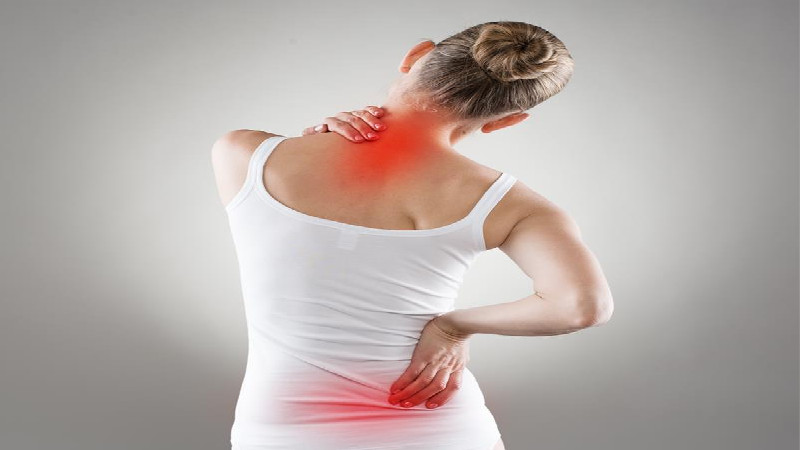
- Neck and upper back tightness
- Lower back muscle pain
- Hip flexor and glute tension
- Shoulder impingement related to soft tissue restriction
- Calf and hamstring tightness in active individuals
Evidence shows that integrating dry needling with exercise and manual therapy provides short-term pain relief and functional benefits. According to a 2025 consensus statement published in PMC by the National Institutes of Health, dry needling directed at peripheral structures is intended to modulate local nociceptive input, improve neuromuscular function, and restore movement capacity when regional impairments such as strength deficits, range-of-motion limitations, flexibility restrictions, or pain reproduction are present.
Dry Needling vs. Other Soft Tissue Approaches
Patients often ask how dry needling compares to other common treatments for muscle pain. Here is a practical breakdown:
| Approach | Primary Target | Mechanism | Best Used When |
| Dry Needling | Trigger points, taut muscle bands | Needle-induced twitch, neurophysiological reset | Deep muscle knots, restricted mobility |
| Chiropractic Adjustment | Joint alignment, nerve function | Spinal manipulation | Joint-related pain, mobility loss |
| Massage Therapy | Surface and mid-layer muscle tension | Manual pressure, circulation | General tightness, stress-related tension |
| Rehab Exercise | Muscle strength and movement patterns | Progressive loading | Long-term function and injury prevention |
Unlike acupuncture, which is based on traditional Chinese medicine, dry needling is grounded in Western anatomical and neurophysiological principles. This distinction matters when choosing a provider, since the training, assessment process, and treatment goals differ significantly between the two.
What to Expect from Results and Side Effects
Following dry needling, patient-reported improvements in pain occurred in 73.8% of the selected body regions, while improved mobility occurred in 70.6%, improved strength in 38.5%, and improved gait in 46.2%. These figures come from a 2025 peer-reviewed study published in PMC.
Side effects are generally mild and short-lived:
- Localized soreness at the needle site (most common)
- Temporary bruising or minor bleeding
- Brief fatigue following a session
Most side effects are mild, temporary, and typically resolve within 24 hours. In fact, over 40% of patients reported experiencing no generalized side effects at all. Serious adverse events are rare when treatment is performed by a qualified practitioner.
Frequently Asked Questions
How many sessions does dry needling typically take? The number of sessions depends on the condition, how long it has been present, and how it is combined with other care. Acute muscle problems may respond in a few sessions; chronic or recurring issues often require a longer plan.
Is dry needling painful? Most patients feel minimal discomfort during needle insertion. A brief twitch or cramping sensation at the trigger point is common and is generally considered a sign the technique is working.
Can dry needling be combined with chiropractic care? Yes. Dr. Aaron at Made To Move Chiropractic specializes in chiropractic adjustments that alleviate pain and promote long-term health, as well as rehab exercises and various soft tissue techniques, and dry needling is one of those techniques used within a broader care plan.
Who is a good candidate for dry needling? Adults with myofascial pain, movement restrictions, or soft tissue injuries from sports or repetitive activity are typically good candidates. A clinical assessment is needed to confirm suitability.
If you are dealing with muscle pain that has not responded to rest or standard treatment, dry needling may be a practical next step. Made To Move Chiropractic is located in Helena, MT, and can be reached at (406) 594-4849 to schedule an assessment and discuss whether dry needling fits your current condition and goals.