When considering a new roof installation or a roof replacement, understanding the cost is a crucial factor in your decision-making process. Roof installation cost varies significantly depending on a range of factors, and it’s essential to know what influences the price to avoid surprises. Whether you are upgrading your home with a new roof or replacing an aging one, knowing what contributes to the cost will help you make an informed decision.
This will explore the different elements that affect roof replacement pricing, including materials, labor, roof size, and other factors. By the end of this article, you will have a clear understanding of how your costs are calculated, ensuring you are prepared when seeking roofing repair services or installation.
What Influences Roof Installation Costs?
There is no one-size-fits-all answer to roof installation costs, as several variables affect the final price. Here are some key factors to consider when determining how much you can expect to pay:
1. Roof Size and Complexity
The size of your roof is one of the most significant factors that determine installation costs. Larger roofs require more materials and take more time to install, leading to higher costs. Additionally, the complexity of your roof design, such as multiple slopes, skylights, or chimneys, can also affect the price.
A simple, flat roof will generally be less expensive to install than a more complex roof with multiple peaks and valleys. The more intricate your roof, the more labor and expertise are required, which increases costs.
2. Roofing Materials
The materials you choose for your roof play a huge role in the overall cost. Different materials have different price points, and each comes with its own set of pros and cons. Some of the most common roofing materials include:
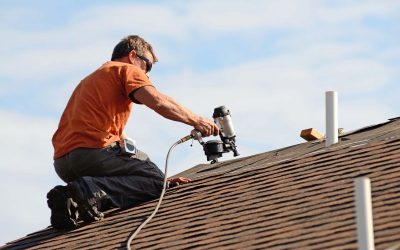
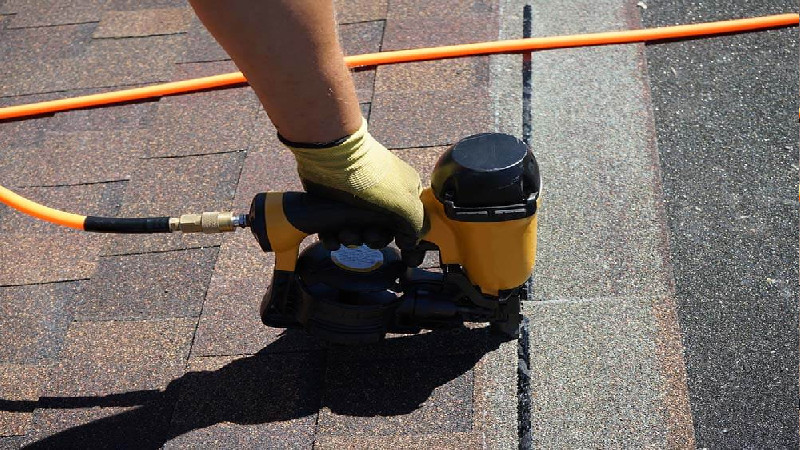
- Asphalt Shingles: These are the most affordable and widely used roofing materials, making them a cost-effective option for homeowners. They are also relatively easy to install, which helps reduce labor costs.
- Metal Roofing: While more expensive than asphalt shingles, metal roofing offers excellent durability and energy efficiency. The cost of installation for metal roofs can vary depending on the type of metal you choose (e.g., aluminum, steel, copper).
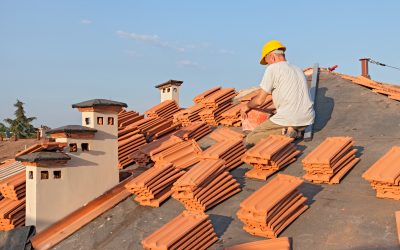
- Tile Roofing: Tile roofs are popular in warmer climates like Arizona due to their durability and ability to reflect heat. However, tile roofing can be more expensive than asphalt or metal options.
- Wood Shingles or Shakes: These provide a beautiful, natural look but come at a higher cost due to the materials and labor involved in installation.
Each of these materials comes with different roof installation costs, so it’s essential to choose one that fits your budget and provides the desired aesthetic and functional benefits.
3. Roof Pitch and Slope
The slope or pitch of your roof affects installation costs. Steeper roofs require more labor and specialized equipment to install, making them more expensive than flatter roofs. Additionally, steeper roofs may require extra safety measures to ensure the crew can work safely at height.
For example, a steeply pitched roof may require more scaffolding or harnesses, which can increase labor costs. A less steep roof, on the other hand, may allow the crew to work more efficiently, lowering labor costs.
4. Labor Costs
Labor is a major component of roof installation costs. The cost of hiring skilled labor varies depending on the area and the roofing company you choose. In areas like Surprise, AZ, where there’s a high demand for roof repairs and installations due to the hot desert climate, labor costs can fluctuate depending on availability.
Labor costs can also vary based on the complexity of your roof, the type of materials used, and how long the installation process will take. For example, a complicated roof design with high-end materials will require more skilled labor, which can increase the overall cost.
5. Disposal and Cleanup
Once the old roof is removed, the waste materials need to be disposed of properly. This includes removing old shingles, tiles, and other debris. Disposal fees can add to the overall cost of your roof replacement. Some companies include this in their initial quote, while others may charge an additional fee for disposal.
Cleaning up after the job is completed also requires time and effort from the crew, which may contribute to the cost. Make sure to confirm whether disposal and cleanup are included in the overall quote to avoid unexpected costs.
How Roof Installation Costs Are Calculated
The calculation of roof installation costs involves a combination of all the factors mentioned above. To give you an idea of what you might expect to pay, here’s a breakdown of typical roof replacement pricing:
- Basic Asphalt Shingle Roof: $5,000 – $10,000 (for a standard-sized home)
- Metal Roof: $10,000 – $20,000 (for an average home, depending on metal type)
- Tile Roof: $12,000 – $30,000 (depending on tile quality and roof complexity)
- Wood Shingles or Shakes: $7,000 – $15,000 (depending on wood quality)
Prices can vary significantly based on your location and the complexity of your roof. To get an accurate quote, it’s essential to contact a roof repair service provider who can assess your specific needs.
Get Reliable Roof Inspections and Repair Services
Understanding how roof installation costs are calculated can help you make informed decisions when replacing or repairing your roof. Regular inspections also play a key role in avoiding expensive repairs down the line. All About Roofing provides expert services in roof inspections, roof repair, and roof replacement to keep your home in top condition.
Check out how roof installation costs are calculated and contact All About Roofing today for your roof repair needs.