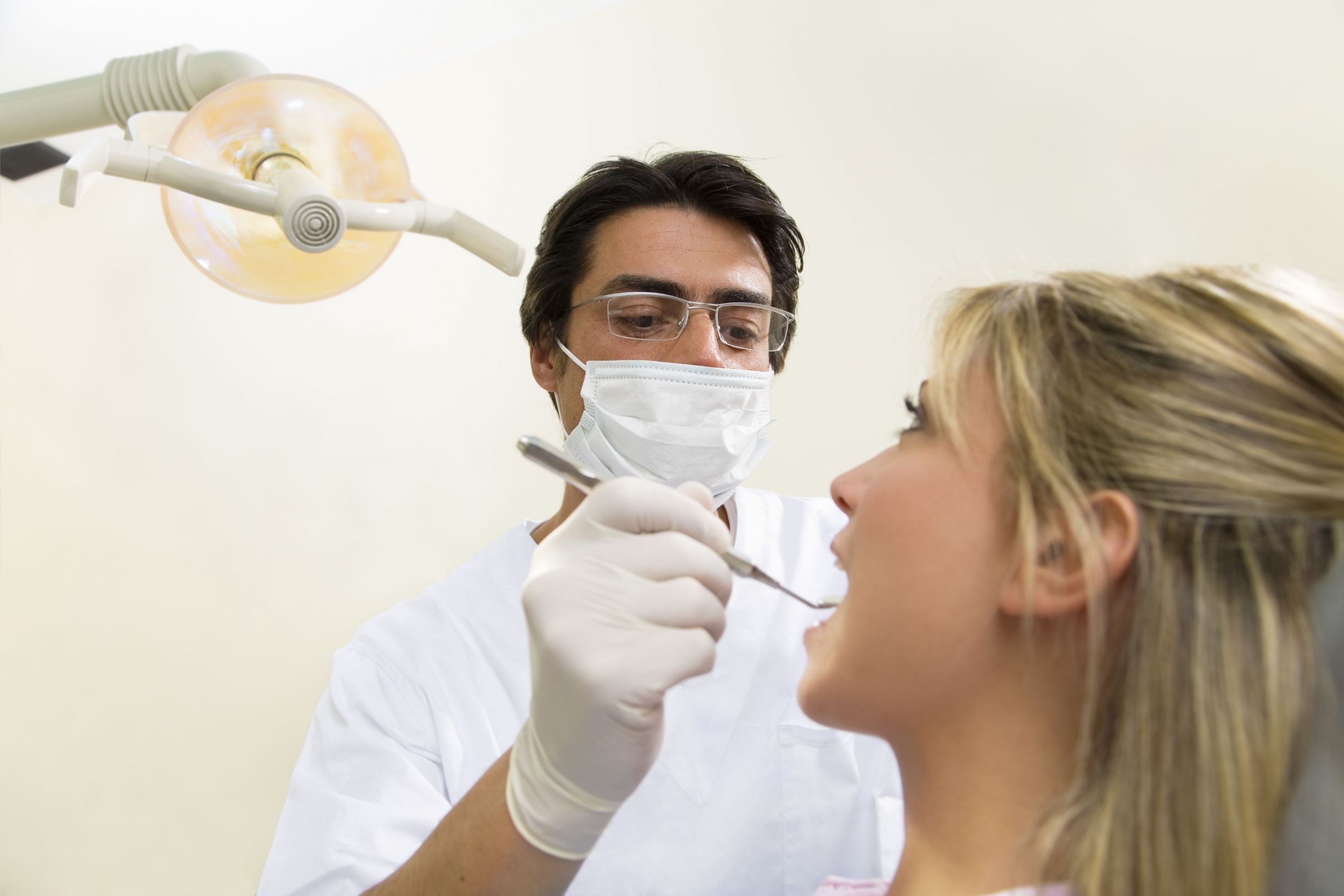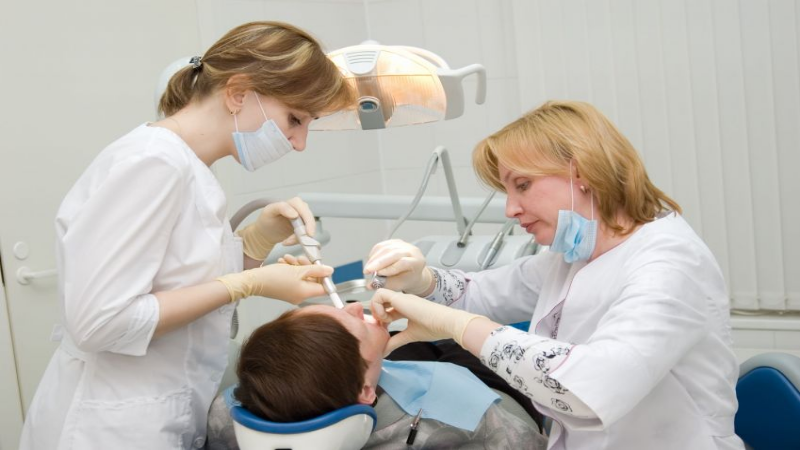
Most dentists offer some type of sedation to help patients relax, but most do not offer general anesthesia that actually makes them sleep. However, patients who need certain types of treatment and are scared to have this done can benefit from sleeping through the procedure. They need to find a Sedation Dentist who has an anesthesiologist or a qualified dental professional on the staff to provide this service. That way, tooth extractions, root canal therapy and even the filling of several cavities can be done while the patient is in dreamland and not having to experience the treatment.
Adults can choose this option for their own needs, and parents may find it advisable for children who are unlikely to sit still through one of these procedures. Very young children may become upset and fidgety, and youngsters with disorders such as autism may benefit from general anesthesia. A practitioner such as Jay B. Lubliner offers this service by providing intravenous sedation, administered by a board-certified anesthesiologist. More details on this dental clinic are available at the website .
A Sedation Dentist offering this service is appealing to people who aren’t sure how they’ll ever make it through a session requiring some extensive dental work. Anesthesia is relatively common for people having two or more wisdom teeth extracted, for instance, or for having several dental implants placed. It is not as prevalent in general dental clinics.
Unlike nitrous oxide, commonly known as laughing gas, administration of deeper sedation requires the patient to avoid driving afterward. He or she won’t be able to return to work or school immediately after the appointment, and this may be inadvisable in any case if extensive dental work was done. IV sedation wears off gradually, and the patient may feel a bit drowsy and disoriented for at least an hour or two. Both the tranquilizing effect and any numbing agents the dentist has applied to the gums keep the mouth pain at bay for longer than that. As discomfort starts to set in when these substances stop being effective, the patient may want to take prescription pain medication provided by the dentist.