Takeaway:
• A memorable memorial ceremony blends personal storytelling, meaningful rituals, and clear logistics so family and friends can grieve together.
• Music, readings, photos, and a well-chosen venue help a service feel authentic rather than generic.
• Families in Woodland, CA can work with a funeral director to plan a service that reflects a loved one’s life and values.
A memorial ceremony becomes memorable when it reflects the personality, values, and relationships of the person being honored rather than following a generic script. The strongest services combine personal storytelling, intentional ritual, and practical planning so grieving families can focus on connection instead of logistics.
Families planning a meaningful tribute often discover that the details matter as much as the big decisions. Choices about music, readings, photo displays, and the order of the service shape how guests experience the day and remember it afterward. A Memorial Ceremony Service can help families work through these choices, though the planning principles below apply broadly to anyone organizing a service.
Personal Storytelling and Tribute Elements
The core of any unforgettable memorial ceremony is the storytelling. Generic readings and standard programs rarely capture who someone actually was.
• A eulogy written by someone who knew the person well, focused on specific memories rather than broad statements.
• A slideshow or video tribute using photos spanning different life stages.
• Guest-shared memories, either spoken aloud or collected in writing beforehand.
• Meaningful music selections tied to the person’s taste or significant moments in their life.
These elements work best when a family member or close friend coordinates them in advance rather than assembling them the morning of the service.
Ritual, Symbolism, and Structure
A service that flows naturally tends to feel more respectful and easier for grieving attendees to follow. Many families build the order of service around a few anchor moments: an opening welcome, time for reflection, shared remembrance, and a closing that gives guests a sense of resolution.
Military honors, religious rites, or cultural traditions can also be incorporated when relevant to the person being remembered. According to AARP’s guide on planning a memorial service, memorial services have become more common as cremation rates have risen nationally, which has given families more flexibility in choosing when and how to hold a tribute rather than following a fixed timeline tied to burial.
Setting and Practical Planning
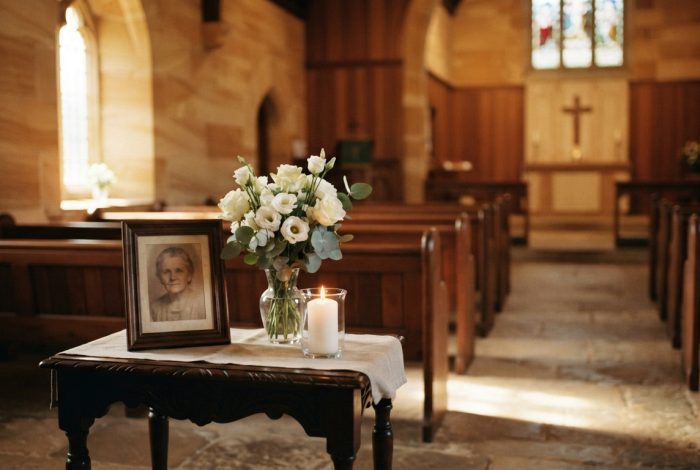
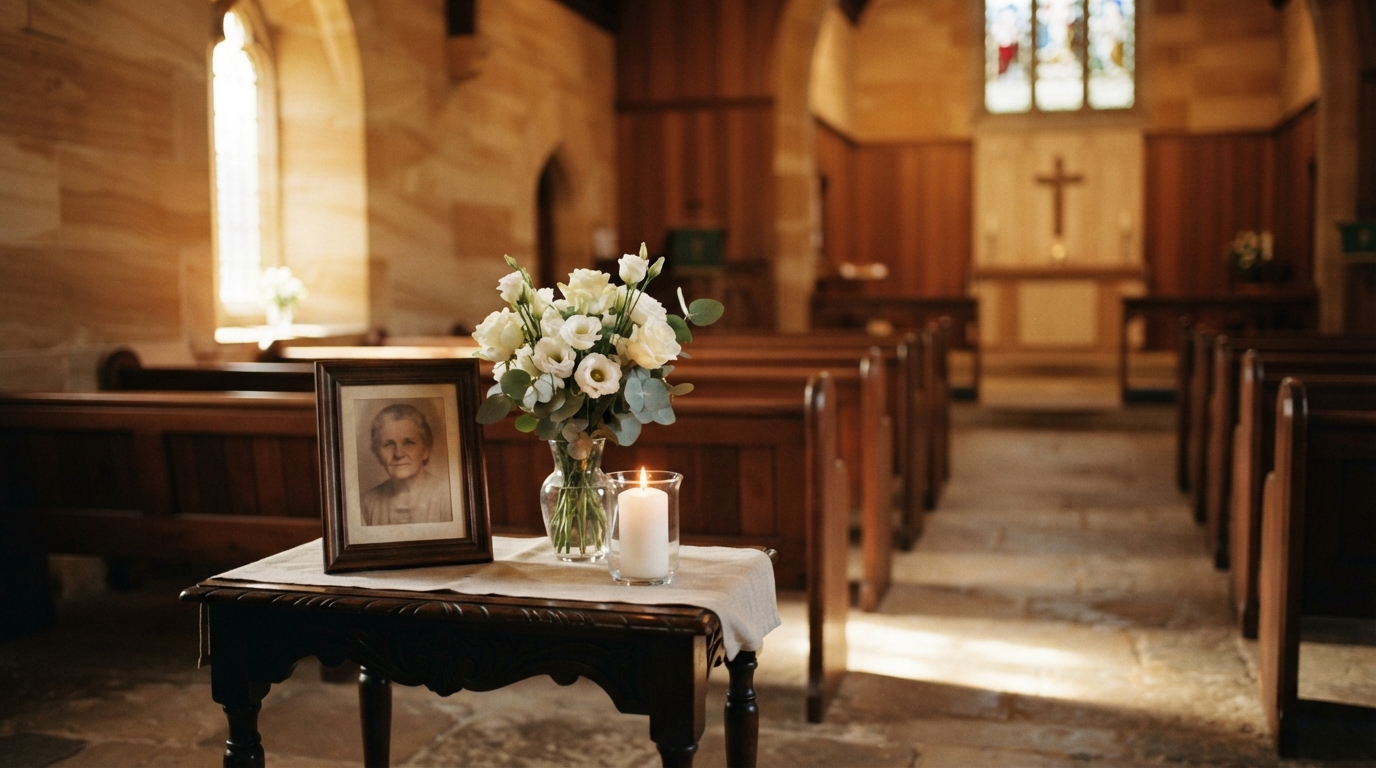
Venue choice influences tone as much as content. A chapel setting, an outdoor garden, or a community space can each support a different kind of gathering, depending on the size of the group and the atmosphere a family wants.
| Planning Element | What to Decide | Why It Matters |
| Venue | Chapel, garden, community hall, or graveside | Sets the tone and accommodates guest count |
| Timing | Same week or weeks later | Allows out-of-town family to attend |
| Program flow | Order of readings, music, tributes | Keeps the service coherent and respectful |
| Keepsakes | Programs, photo cards, guest books | Gives attendees something to keep |
For readers in Woodland, CA, local weather and venue availability can affect whether an outdoor component makes sense during certain months, so confirming logistics early reduces last-minute stress. Families often benefit from a single point of contact, such as a close relative or a funeral director, who manages vendor coordination, printed materials, and the schedule so that other family members are free to focus on the service itself rather than details.
Supporting Guests Through the Experience
A ceremony is unforgettable not only for its content but for how it makes attendees feel. Clear signage, a printed program, and a designated greeter can help guests, especially those who did not know the family well, feel welcomed rather than lost.
• Offer a quiet space for anyone who needs a moment alone.
• Provide tissues, water, and seating for elderly or distant guests.
• Share contact information for grief support resources after the service concludes.
These small touches often leave as strong an impression as the formal program itself.
Frequently Asked Questions
How far in advance should a memorial ceremony be planned? Many families begin planning within a week of a death, though services held weeks later to accommodate travel are increasingly common.
What is the difference between a funeral and a memorial ceremony? A funeral typically includes the body present, while a memorial ceremony is usually held after burial or cremation, without the casket present.
Can a memorial ceremony be held somewhere other than a chapel? Yes. Gardens, community centers, and family homes are all common settings, depending on guest count and family preference.
Who should lead the service? A close family member, a clergy member, or a funeral celebrant can lead, depending on the family’s wishes and any religious or cultural traditions being observed.
Planning Support and Next Steps
Based in Vacaville, CA, McCune Garden Chapel serves families across Woodland, CA with funeral, cremation, burial, and memorial planning support.
Current service and availability information for mccunechapel.com is published for families beginning the planning process.