Briefly:
- The right landscaping material depends on soil drainage, climate exposure, and how a surface or bed will be used.
- Durable options like natural stone, gravel, and properly graded aggregate hold up better through freeze-thaw cycles common in Connecticut.
- Matching material choice to function (walkways, patios, borders, drainage) reduces long-term repair and replacement costs.
Selecting landscaping material for a yard involves more than picking a look that matches the house. Soil type, drainage patterns, and seasonal freeze-thaw cycles all affect how long a material lasts once it is installed. Homeowners in North Branford, CT dealing with clay-heavy soil or sloped lots often find that material selection matters as much as the design itself.
Why Material Choice Affects Long-Term Durability
Every outdoor surface experiences stress from weather, foot traffic, and moisture. A material that looks good on day one can crack, shift, or erode within a few seasons if it was not matched to the site conditions.
- Permeable materials like gravel or permeable pavers reduce standing water around foundations.
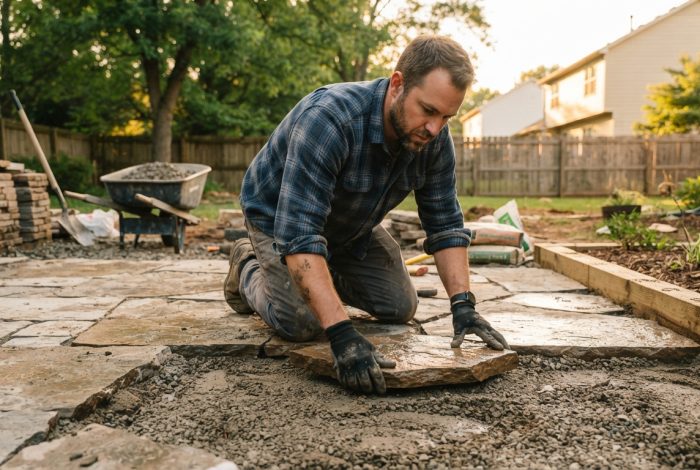
- Dense stone or compacted base layers resist heaving during winter freeze-thaw cycles.
- Organic materials such as mulch need periodic replacement as they break down.
Connecticut winters bring repeated freezing and thawing, which can push against poorly installed hardscaping and cause gradual separation. The Connecticut Department of Energy and Environmental Protection outlines stormwater and erosion considerations that often inform residential landscaping decisions, particularly for sites with slope or drainage challenges.
Common Landscaping Materials and Their Best Uses
Different materials serve different functions in a yard. Matching the material to its intended use helps avoid premature wear.
| Material | Best Use | Durability Notes |
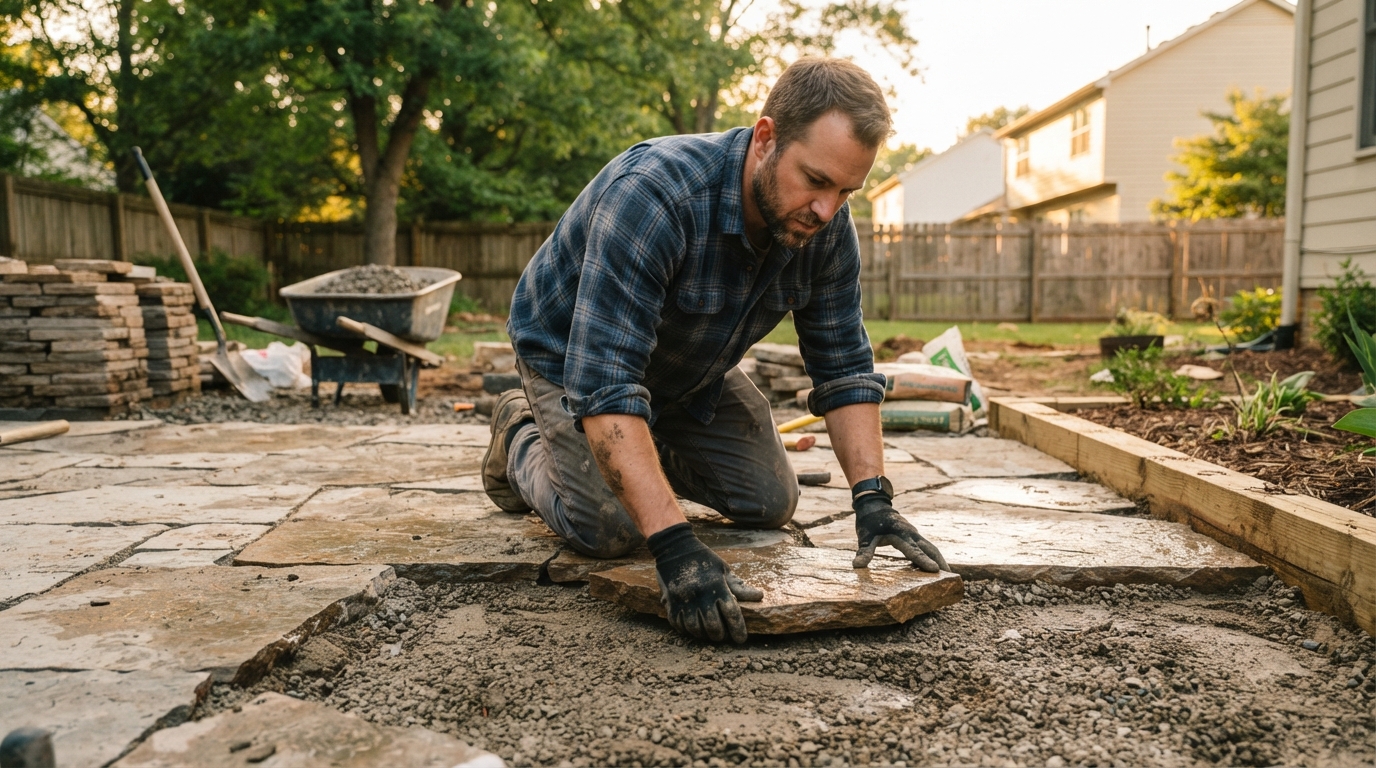
| Natural stone (flagstone, bluestone) | Patios, walkways | High durability, resists cracking with proper base prep |
| Gravel or crushed stone | Drainage paths, informal walkways | Good permeability, needs periodic replenishing |
| Mulch (bark, wood chips) | Garden beds, tree rings | Moderate lifespan, breaks down within one to two seasons |
| Concrete pavers | Driveways, patios | Consistent sizing, can shift without proper compaction |
Matching Material to Soil Conditions
Soil composition plays a direct role in how well a material performs over time. Heavy clay soils retain water longer, which can undermine base layers beneath pavers or stone if drainage is not addressed first.
- Sandy or loamy soils generally drain faster, reducing frost heave risk.
- Clay-heavy soils may require added gravel sub-base layers for stability.
- Sloped yards benefit from terracing or retaining materials to slow water runoff.
A short soil assessment before material selection can prevent costly corrections later, especially on older residential lots where original grading may no longer direct water away from structures.
Practical Considerations Before Installing Outdoor Materials
Beyond durability, a few practical factors influence which material makes sense for a given project.
- Maintenance expectations – Natural stone requires little upkeep, while mulch and gravel need periodic refreshing.
- Budget for base preparation – Proper excavation and compaction often cost more than the visible material itself but determine long-term stability.
- Local permitting – Some larger hardscape projects, such as extended patios or retaining walls, may require municipal review depending on size and location.
- Climate exposure – South-facing areas with more sun exposure may wear materials differently than shaded, moisture-retaining spots.
Readers in North Branford, CT planning a multi-season project often benefit from sequencing work so that drainage and base layers are addressed before decorative surfaces go in.
Frequently Asked Questions
What is the most durable landscaping material for Connecticut winters? Natural stone with a properly compacted gravel base tends to hold up well against repeated freeze-thaw cycles compared to materials without adequate sub-base preparation.
How often does mulch need to be replaced? Organic mulch typically breaks down within one to two growing seasons and needs replenishing to maintain its protective and aesthetic function.
Does soil type really affect material choice? Yes. Clay-heavy soils drain slowly and can cause instability under pavers or stone without added gravel layers, while sandy soils generally offer better natural drainage.
Are permits required for landscaping projects? Permit requirements vary by project scope and municipality, so checking with local building or zoning offices before larger installations is advisable.
Planning Your Next Outdoor Project
Based in Hamden, CT, Modern Materials Corporation serves customers across North Branford, CT.
Current material options and specifications for outdoor projects are published through Click here for landscaping materials.