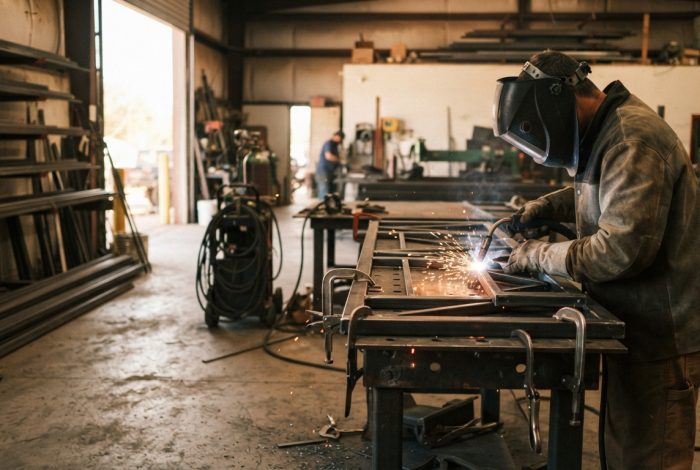
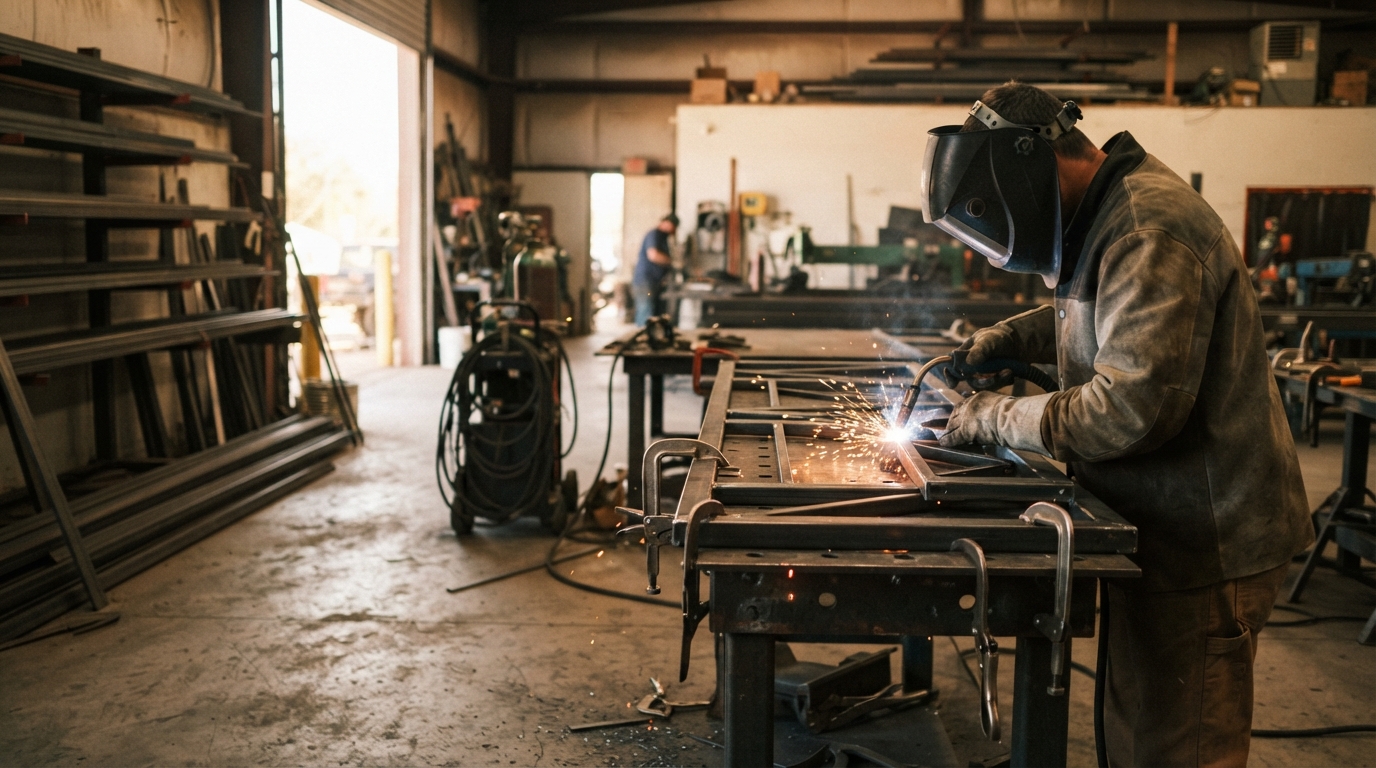
• A qualified welding contractor combines certified welders, verified safety practices, and transparent project documentation.
• Service area coverage, mobile capability, and material expertise (steel, aluminum, stainless) distinguish established fabricators from casual operators.
• Checking credentials, insurance, and past project types before hiring helps avoid rework and compliance issues.
Property owners and general contractors searching for welding help often cannot tell a reliable shop from one that cuts corners. A Welding Contractor brings documented skill, proper equipment, and accountability to a job site, qualities that separate finished work that lasts decades from repairs that fail within a few seasons. This checklist breaks down the specific traits worth confirming before signing a contract.
Certification and Technical Training
Welding quality is not a matter of opinion; it is measured against defined standards. Under AWS standards, AWS welding certification demonstrates that a welder has passed a performance-based welding test and possesses skills required by industry standards, and employers often look for certified welders in fabrication, manufacturing, construction, energy, and other skilled trades. Confirming certification status before work begins is one of the simplest ways to verify competence.
• Ask whether welders hold current AWS or equivalent credentials
• Request the specific welding processes used (MIG, TIG, stick, or flux-core)
• Confirm experience with the metal type required for the project (steel, aluminum, or stainless)
• Check whether structural work follows a recognized code such as AWS D1.1
Project Scope and Material Versatility
A contractor’s range of completed work signals whether they can handle a specific job correctly the first time. Common residential and commercial welding needs include custom gates, railings, structural steel components, and on-site repairs that cannot be hauled to a shop.
|
Service Type |
Typical Use Case |
Fabrication Location |
|
Custom metalwork |
Gates, railings, handrails |
Shop-built, field-installed |
|
Structural steel |
Commercial framing, erection |
Shop and job site |
|
Mobile welding |
On-site repairs, emergency fixes |
Job site only |
|
Certified welding |
Code-compliant structural joints |
Shop or job site |
Contractors who document this range typically have the equipment and trained staff to move between residential fence repair and larger structural fabrication without subcontracting out core tasks.
Service Area Reach and Response Reliability
Coverage area matters as much as skill when a weld failure or broken gate needs fast attention. A shop based in University Place, WA that regularly services jobs across Olympia, WA demonstrates established routes, familiarity with regional project conditions, and the mobile equipment needed to reach sites outside its home base.
Questions to ask about service reach:
1. Does the contractor offer mobile welding for on-site repairs, or only shop fabrication?
2. What is the typical response window for urgent structural repairs?
3. Are commercial and general contractor accounts handled differently than residential requests?
4. Is the service area clearly listed, including smaller surrounding communities?
Documentation, Safety, and Communication Practices
Reliable contractors put details in writing before cutting any metal. Written estimates, material specifications, and a clear safety protocol reduce disputes and rework later.
• Written estimates that itemize materials, labor, and finish work
• Documented safety practices for job-site welding, including fire watch and ventilation
• Clear timelines for both shop fabrication and on-site installation phases
• A point of contact who can answer technical questions mid-project
Get Information on Professional Welding Services serves customers across Olympia, WA, reflecting how many regional shops pair a fixed fabrication base with a broader mobile service radius. Reviewing a contractor’s documented service area and project types before hiring remains the most reliable way to match a job’s technical demands with a crew capable of handling them correctly.
Frequently Asked Questions
What should be verified before hiring a welding contractor? Confirm welder certification status, the specific metals and processes the shop handles, and whether the contractor provides mobile welding for on-site repairs versus shop-only fabrication.
Is mobile welding different from shop fabrication? Mobile welding happens directly at a job site for repairs or installations that cannot be transported, while shop fabrication involves building components in a controlled facility before delivery and installation.
Why does AWS certification matter for a welding job? AWS certification provides written verification that a welder has produced welds meeting an established performance standard, which gives property owners and contractors a documented basis for trusting the work.
Does service area coverage affect project reliability? A contractor with a clearly defined and tested service area is more likely to have efficient routes, familiarity with regional job conditions, and realistic response times for urgent repairs.
Learn More About Local Welding Services
Readers evaluating regional welding options can Get Information on Professional Welding Services for published service area and contact details.