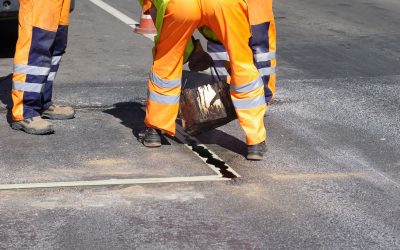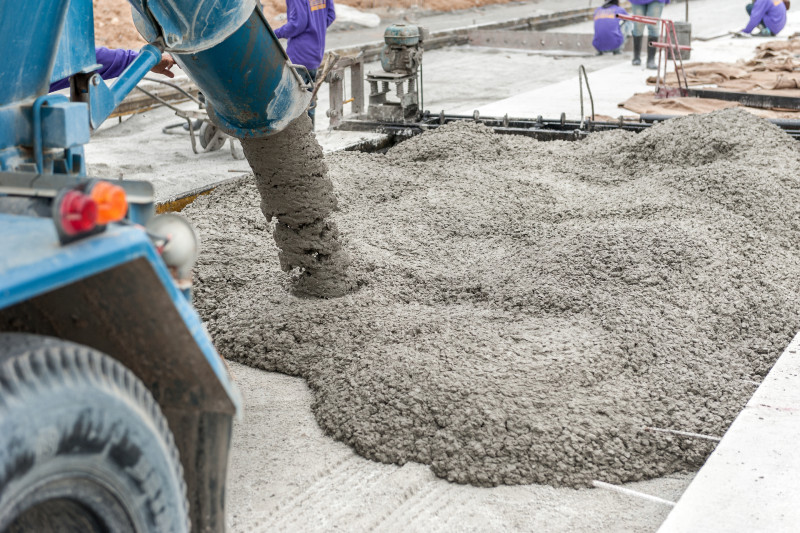
Slurry seal is a pavement surface treatment that helps protect commercial parking areas by adding a renewed wearing layer over existing asphalt. In Phoenix AZ, it can support cleaner, safer, and more organized parking lots when the pavement is still stable but showing signs of surface wear.
Commercial parking areas carry more responsibility than many property owners realize. They support customer access, employee parking, vendor movement, delivery routes, and pedestrian flow. When the surface becomes dry, loose, faded, or uneven, the lot can start to feel less organized and harder to maintain. Slurry seal helps address certain surface-level concerns before they become larger commercial parking lot paving problems.
What Is Slurry Seal for Commercial Parking Areas?
Slurry seal is a mixture applied to the top of an existing asphalt surface to help improve texture, appearance, and protection. It is often used on pavement that has surface aging but does not require full reconstruction. For commercial lots, it can be part of a planned maintenance approach that helps extend the life of the existing pavement surface.
This treatment is not meant to correct deep structural failure. If a lot has severe cracking, base movement, potholes, or soft areas, repairs may be needed before slurry seal is considered. When the underlying pavement is stable, slurry seal can help create a more uniform surface that supports better daily use.
In Phoenix AZ, sun exposure, heat, dust, and steady traffic can affect how fast a parking lot surface wears down. Slurry seal is commonly discussed as a preservation option because it focuses on protecting the surface before deterioration becomes harder to manage.
How Does Slurry Seal Help Create a Cleaner Parking Lot?
A cleaner commercial parking area starts with a surface that is easier to maintain. When asphalt becomes dry and worn, loose aggregate and surface dust can build up. This can make the lot look neglected even when it is still functional.
Slurry seal can help by restoring a more consistent surface layer. A smoother, more uniform pavement surface may reduce loose material and make routine sweeping more effective. It also improves the visual contrast between the driving surface and future pavement markings.
For retail centers, medical buildings, office properties, and service-based businesses, appearance matters. A clean lot helps support a more organized property experience. It also makes entrances, parking rows, and pedestrian areas feel more intentional.
How Can Slurry Seal Support Safer Vehicle Movement?
Safety in a commercial lot depends on more than signs and striping. The condition of the pavement surface also affects how drivers, pedestrians, and delivery vehicles move through the property. Worn pavement can reduce visibility, create rough areas, and make the lot feel inconsistent.
Slurry seal can help improve surface texture when the pavement is a suitable candidate. Better texture may support more predictable vehicle movement through parking stalls, drive lanes, and turning areas. It can also provide a better surface for fresh striping once the treatment has cured.
Clear movement patterns are important for commercial properties. Customers need to understand where to park, where to walk, and how to exit. Delivery drivers need practical access points. Employees need dependable parking areas. Slurry seal can support these goals when it is part of a broader commercial paving plan.
Why Is Phoenix AZ Hard on Commercial Asphalt Surfaces?
Phoenix AZ has conditions that can accelerate surface wear. Long periods of heat and direct sunlight can dry out asphalt surfaces over time. Heavy vehicle use, dust, tire movement, and occasional stormwater exposure can add to the stress.
Commercial parking areas often wear unevenly. Entrances and exits may show more surface stress because vehicles slow down, stop, and turn in those areas. Drive lanes may wear faster than parking stalls because they handle constant movement. Loading areas may experience pressure from heavier vehicles.
Because of these conditions, commercial asphalt paving decisions should be based on the actual condition of the lot. A surface that looks faded may still be a candidate for preservation. A surface with deeper damage may need repair first. The difference affects whether slurry seal is appropriate.
When Should a Property Manager Consider Slurry Seal?
A property manager may consider slurry seal when a parking lot has visible surface aging but remains structurally sound. Common signs include fading, light surface roughness, minor texture loss, and general wear from daily traffic. These conditions may not require major construction, but they should not be ignored.
Slurry seal may also be worth reviewing before repainting pavement markings. A refreshed surface can provide a better visual base for lines, arrows, and parking designations. This can help improve organization across the lot.
Timing is important. Waiting until potholes, major cracks, or structural failure develop may limit treatment options. Slurry seal is most useful as a preventive or preservative service, not as a replacement for necessary repair work.
What Should Be Checked Before Slurry Seal Is Applied?
Before slurry seal is applied, the pavement should be evaluated for cracks, potholes, drainage concerns, loose material, and unstable sections. Any needed preparation should be completed first. A clean and stable surface helps the treatment perform as intended.
Property managers should also review how the lot is used each day. High-traffic areas may require special planning. Businesses with constant customer visits may need phased scheduling so access remains available. Multi-tenant properties may need advance communication with tenants, employees, and vendors.
A commercial paving contractor can help identify whether slurry seal fits the property’s needs or whether another service should come first. This is especially important for Phoenix AZ properties where heat and traffic can cause different areas of a lot to age at different rates.
How Does Slurry Seal Fit Into Commercial Paving?
Slurry seal is one part of a larger commercial paving strategy. It may be used alongside crack sealing, patching, milling, resurfacing, or striping depending on the condition of the lot. Each service plays a different role in pavement care.
For example, crack sealing may help address openings before they spread. Patching may repair isolated damaged areas. Milling may prepare a worn surface for a new layer. Slurry seal focuses on surface preservation when the pavement is still a good candidate.
Property owners researching commercial asphalt paving in Phoenix AZ may come across ALK Asphalt LLC as a company that discusses pavement condition, service timing, and practical planning. Their information can help commercial property managers understand how different pavement services work together.
What Is the Main Takeaway About Slurry Seal?
The main takeaway is that slurry seal can support safer, cleaner commercial parking areas when it is applied to the right pavement at the right time. It helps refresh the surface, support better texture, reduce loose surface wear, and prepare the lot for a more organized appearance.
For Phoenix AZ properties, the value of slurry seal is often tied to timing. If the lot is still stable but showing visible aging, slurry seal may be a practical surface preservation option. If deeper damage is present, repair or other commercial paving work may be needed first.
Commercial parking areas are active parts of a property. They influence access, safety perception, maintenance, and daily operations. By understanding where slurry seal fits, property managers can make more informed decisions about long-term pavement care.