Simply put:
- Intumescent paint expands when heated, forming an insulating char layer that slows fire spread and protects spray foam insulation, framing, and structural materials.
- Montana homes and commercial buildings often pair this coating with spray foam insulation to meet fire code requirements without removing the insulation’s energy benefits.
- Coatings are typically water based, low odor, and applied as a thermal or ignition barrier over foam, framing lumber, or other combustible substrates.
Montana property owners asking about fire-resistant coatings usually want to know one thing: does this product actually slow a fire down, and is it required by code. The short answer is yes on both counts, particularly in buildings that use spray foam insulation, which building codes typically require to be separated from living space by a thermal or ignition barrier. Intumescent Paint in Montana has become a practical way to satisfy that requirement while keeping insulation systems intact.
The coating itself is chemically simple but performs a specific job under heat. Manufacturers describe how these products work by starving a fire of oxygen once triggered by heat, which is why they are frequently applied directly over foam insulation in attics, crawlspaces, and wall cavities. Independent testing bodies reference standards such as NFPA 286 and ASTM E84 when evaluating whether a coating qualifies as an acceptable thermal barrier under the International Building Code and International Residential Code.
How Intumescent Coatings Protect Montana Structures
When exposed to fire-level heat, intumescent paint chemically reacts and swells, sometimes expanding dramatically to create a charred, insulating layer between the flame and the substrate underneath. This char layer:
- Slows heat transfer to framing, foam insulation, or structural steel
- Reduces the rate at which fire spreads across a surface
- Buys additional time for occupants to evacuate and for emergency responders to arrive
Because the reaction only activates under heat, the coating remains inert and low maintenance during normal building use.
Why Montana Buildings Pair This Coating With Insulation Work
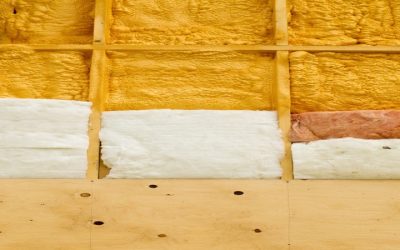
Spray foam insulation is popular across Montana because of its airtight performance in a climate with extreme temperature swings, but most foam products are combustible and must be separated from occupied space by a code-recognized barrier. Rather than covering foam with drywall alone, many contractors apply an intumescent coating as a documented thermal or ignition barrier system. This approach is common in the region, and it lets Montana builders keep the energy performance of foam insulation while satisfying inspectors.
According to the U.S. Fire Administration, fire spread within a structure’s early minutes is a primary factor in occupant survivability, which is part of why code officials scrutinize thermal barrier compliance so closely during framing inspections.
Comparing Common Fire-Protection Coating Approaches
| Approach | Typical Use Case | Key Trade-Off |
| Intumescent coating over foam | Attics, crawlspaces, wall cavities with SPF insulation | Preserves airtight foam performance while meeting barrier codes |
| Traditional drywall barrier | New construction wall assemblies | Adds labor and material cost, reduces cavity space |
| Fire-retardant treated lumber | Framing members, some commercial structures | Protects wood substrate but does not address foam insulation needs |
| Cable and specialty coatings | Electrical runs, mechanical rooms | Narrow application, not a general building barrier |
Each option addresses a different part of a structure’s fire strategy, and many Montana projects use more than one method depending on the assembly.
What Property Owners Should Confirm Before Application
Not every coating or every contractor approach is interchangeable, so a few questions matter before work begins.
- Has the product completed recognized testing such as NFPA 286 or ASTM E84 for the intended substrate.
- Is the coating approved as an alternative thermal or ignition barrier under the applicable building code edition used by the local jurisdiction.
- Will the applied thickness and coverage rate match manufacturer specifications for the substrate involved.
- Is the work being documented for inspection, since code officials generally verify barrier compliance during rough-in.
These questions apply whether the coating is going over new spray foam insulation or being added to an existing structure as part of a renovation.
Working With a Local Insulation and Fireproofing Contractor
Coating performance depends heavily on correct surface preparation, coverage thickness, and compatibility with the insulation or substrate underneath, which is why this work is typically handled by contractors familiar with both insulation systems and fire code requirements. Butte Insulation is a Montana-based, family-owned contractor serving residential and commercial properties, and the company’s listed services include fireproofing alongside spray foam, fiberglass batt, and blown-in insulation work.
Property owners planning new construction, an addition, or a code-driven retrofit generally benefit from having the same contractor evaluate both the insulation system and the fire barrier together, since the two decisions directly affect each other. Getting a written scope that specifies product, coverage rate, and applicable code reference helps avoid inspection delays later.
Frequently Asked Questions
Does intumescent paint replace the need for spray foam insulation barriers entirely? It can serve as the code-recognized thermal or ignition barrier itself when the product has been tested and approved for that use over the specific foam substrate involved.
Is intumescent paint the same as regular fire-retardant paint? No. Fire-retardant paint slows ignition, while intumescent coatings physically expand and char to create an insulating layer once heat is applied.
Does this coating need to be reapplied over time? Reapplication needs depend on the specific product, exposure conditions, and manufacturer guidance, so a qualified installer should confirm maintenance requirements for the coating used on a given project.
Can this coating be used on both new construction and existing buildings? Yes, provided the substrate is properly prepared and the product is approved for the application, it can be used in new builds and retrofits alike.
Fire protection decisions in Montana buildings often come down to matching the right barrier system to the insulation and construction type already in place. Property owners who understand how intumescent coatings function, and who confirm code compliance before work begins, are better positioned to protect both their structure and the people inside it.